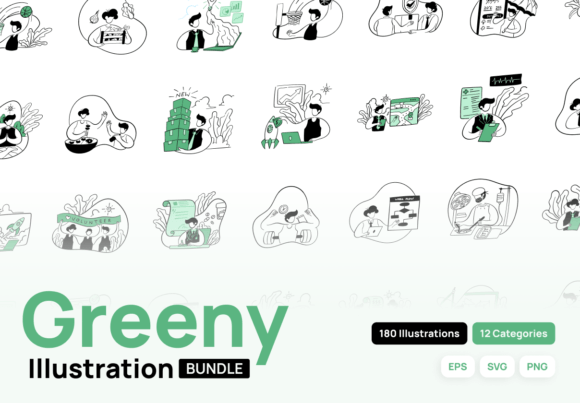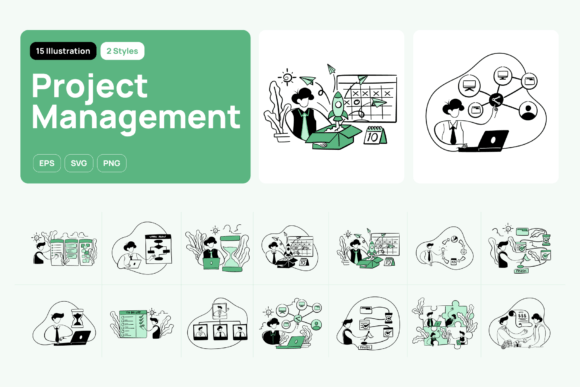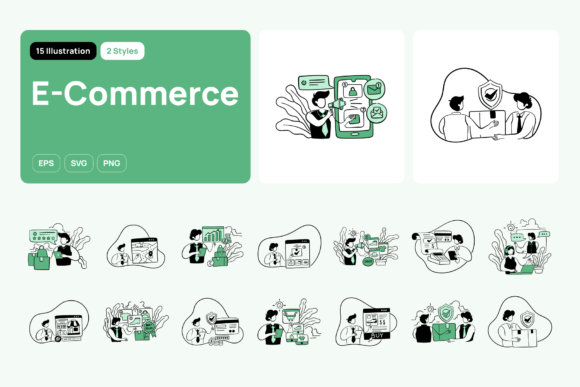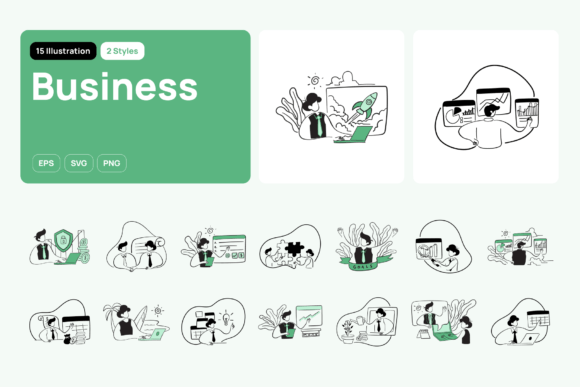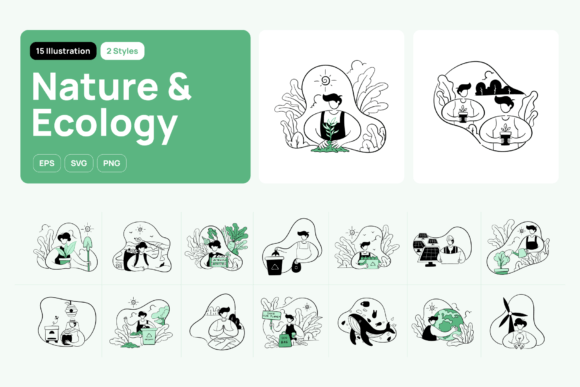
Greeny Nature and Ecology Illustration
In the fast-paced world of digital design, connecting with an audience often requires more than just clean lines and bold typography. It demands a visual language that resonates with our shared desire for sustainability and connection to the earth. This is where Greeny Nature and Ecology Illustration steps in. These are not merely pictures of trees or leaves; they are carefully crafted visual assets designed to communicate themes of growth, environmental stewardship, and organic harmony. Whether you are a freelancer building a portfolio or a marketing manager launching a new eco-friendly product line, understanding the power of these illustrations can transform your communication strategy.
The Essence of Eco-Conscious Visuals
At its core, Greeny Nature and Ecology Illustration represents a style that prioritizes natural forms, vibrant greens, and organic textures. Unlike rigid corporate graphics, these elements breathe life into a project. They typically feature stylized representations of flora, fauna, recycling symbols, water cycles, and renewable energy icons, all unified by a cohesive color palette that evokes freshness and vitality. The appeal lies in their ability to instantly signal "green" values without needing a single word of explanation. When viewers see these illustrations, they subconsciously associate your brand or message with health, responsibility, and the future of our planet.
The value of a comprehensive pack of nature and ecology elements cannot be overstated. Instead of searching for disparate images that clash in style or quality, designers gain access to a unified library. This consistency is crucial for maintaining a professional look across various platforms. A well-curated collection ensures that every leaf, cloud, and animal icon speaks the same visual dialect, creating a seamless experience for the user whether they are scrolling through a mobile app or reading a printed brochure.
Solving Design Challenges with Organic Elements
Many creators face a common hurdle: how to make complex ecological concepts accessible and engaging. Explaining carbon footprints, biodiversity, or sustainable farming can feel dry if presented only with text or stock photos. Greeny Nature and Ecology Illustration solves this by simplifying abstract ideas into digestible visuals. For instance, a complex infographic about waste management becomes much clearer when illustrated with friendly, recognizable icons of sorting bins and composting heaps.
Furthermore, these illustrations address the need for authenticity. In an era where consumers are increasingly skeptical of greenwashing, using high-quality, thoughtful nature art demonstrates a genuine commitment to the cause. It shows that you have invested in resources that reflect your values. For small business owners and entrepreneurs, this builds trust. For educators, it captures attention. For marketers, it differentiates the brand in a crowded marketplace. The goal is to move beyond generic clip art and embrace designs that feel hand-crafted and intentional.
Versatility Across Digital and Print Media
One of the most significant advantages of a robust nature illustration pack is its adaptability. These assets are engineered to perform flawlessly across a wide spectrum of mediums. In the digital realm, they are essential for websites and web applications where load speed and visual clarity are paramount. Vector-based nature elements scale effortlessly, ensuring that a logo on a favicon looks as crisp as it does on a full-screen hero banner.
Mobile applications benefit greatly from these illustrations as well. App interfaces often rely on intuitive iconography to guide users. Using ecology-themed icons for features like "energy savings," "daily goals," or "community impact" creates a cohesive user journey. Similarly, social media posts thrive on visual engagement. A static image of a forest might get lost in a feed, but a dynamic, colorful illustration of a growing tree paired with a call to action can stop the scroll and drive interaction.
However, the utility extends far beyond screens. In print materials such as brochures, business cards, and packaging, these illustrations add texture and depth that flat colors often lack. High-resolution files ensure that when printed, the details remain sharp, making your marketing materials stand out on a shelf. Work presentations also gain a professional polish when slides are enhanced with relevant nature graphics, helping to keep stakeholders engaged during long meetings about sustainability initiatives.
Practical Use Cases for Every Creator
Consider a few realistic scenarios where these illustrations make a tangible difference. Imagine a blogger writing about urban gardening. By integrating custom plant illustrations into their articles, they create a visual rhythm that breaks up walls of text and reinforces their topic. Or think of a teacher preparing a lesson plan on climate change. Using a set of consistent ecology icons helps students visualize the relationship between different environmental factors, making the learning process more interactive and memorable.
For professionals in the corporate sector, these assets are invaluable for annual sustainability reports. Instead of dry data tables, companies can use infographics built from nature elements to show progress in reducing emissions or increasing recycling rates. Even personal projects, such as wedding invitations for an outdoor ceremony or a family blog about hiking adventures, can leverage these designs to set the perfect tone. The flexibility allows both beginners and seasoned pros to elevate their work without needing advanced artistic skills.
Key Considerations Before You Start
While the benefits are clear, choosing the right illustration pack requires some thought. First, consider the licensing terms. Since these assets are ideal for both personal and commercial products, ensure the license covers your specific needs, especially if you plan to use them in client work or sell templates. Some packs may restrict usage in certain contexts, so reading the fine print is a necessary step for any professional.
Secondly, evaluate the style compatibility. Not all nature illustrations fit every brand. A cartoonish, playful style might be perfect for a children's educational app but could undermine the seriousness of a corporate environmental consultancy. Look for a pack that offers variations or a style that aligns with your existing brand identity. Consistency is key; mixing vastly different art styles can confuse your audience and dilute your message.
Finally, think about customization. The best illustration packs allow for easy modification of colors and minor shapes to match your specific branding guidelines. If you find a set of ecology elements that fits your vision but requires slight adjustments to your brand's green shade, having editable layers can save hours of time. Always test the assets in your intended format before committing to a large project to ensure they render correctly and maintain their visual impact.
By integrating Greeny Nature and Ecology Illustration into your workflow, you do more than just decorate your content. You tell a story, advocate for a cause, and connect with your audience on a deeper level. Whether you are designing a website, creating a presentation, or printing a flyer, these tools provide the visual foundation needed to bring your eco-conscious ideas to life effectively and beautifully.