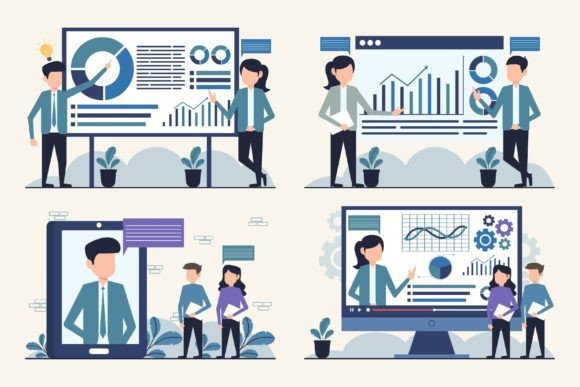
Juggling Ideas, Time, and Processes: A Strategic Overview
In the landscape of modern project management and creative development, the phrase Juggling Ideas, Time, and Processes encapsulates a fundamental challenge faced by professionals across industries. It describes the delicate equilibrium required to balance innovative concepts, strict deadlines, and established workflows. For designers, developers, and business strategists, mastering this triad is not merely about multitasking; it is about creating a sustainable ecosystem where creativity can flourish without compromising efficiency or quality. This article explores the dynamics of this concept, evaluates its practical application, and provides insights for determining when specific tools and methodologies align with your operational goals.
Defining the Core Challenge
Juggling Ideas, Time, and Processes refers to the simultaneous management of three distinct but interconnected variables. Ideas represent the creative input, the brainstorming sessions, and the conceptual frameworks that drive a project forward. Time is the finite resource allocated to execution, often constrained by client deadlines or market windows. Processes are the structured methods, guidelines, and technical standards used to transform ideas into tangible deliverables.
The friction occurs when these elements compete. An abundance of ideas can stall progress if time is limited. Rigid processes can stifle creativity, while an overemphasis on speed can degrade the quality of the output. The goal of managing these factors effectively is to find a workflow where each element supports the others rather than hindering them. In a professional context, this often involves selecting the right visual assets and software tools that offer flexibility without sacrificing resolution or consistency.
Why Professionals Seek Balance in These Areas
Individuals and teams often research strategies for Juggling Ideas, Time, and Processes when they encounter bottlenecks in their production cycles. Common triggers include:
- Scalability Issues: As a team grows, ad-hoc methods fail to support the volume of work, requiring more robust systems.
- Resource Constraints: Limited budgets or tight timelines necessitate tools that maximize output per hour.
- Quality Control: The need to maintain high standards across multiple platforms (web, mobile, print) demands assets that remain consistent regardless of size.
- Creative Flexibility: The requirement to iterate quickly on designs without starting from scratch.
For graphic designers specifically, the ability to manipulate vector graphics plays a crucial role in this balance. When a design template allows for 100% vector editing, it directly addresses the "Process" and "Time" components. Designers can transform, scale up or down, add or remove elements, and recolor assets without losing quality. This capability reduces the time spent recreating files for different mediums, allowing more time to focus on the "Ideas" aspect of the project.
Benefits and Tradeoffs of Structured Approaches
Adopting a structured approach to managing these three pillars offers significant advantages, particularly when utilizing high-quality digital assets. One primary benefit is efficiency. By using resources like 100 vector source files in EPS formats, teams can streamline their workflow. The inclusion of high-resolution JPGs ensures that previews are readily available for stakeholders who may not have vector software installed.
Another advantage is versatility. Assets designed for web graphics, mobile web, landing pages, banners, hero images, and infographics provide a unified visual language. This consistency strengthens brand identity and reduces the cognitive load on the audience. Furthermore, the ability to edit vector files in any standard vector graphics software means that teams are not locked into proprietary ecosystems, offering long-term cost savings and freedom.
However, there are tradeoffs to consider. The initial learning curve for mastering vector software can be steep for non-designers. Additionally, while vector files are scalable, they may require optimization for specific web environments to ensure fast loading times. There is also the risk of over-customization; spending too much time tweaking individual elements can detract from the overall timeline. Therefore, the decision to invest heavily in customizable assets must be weighed against the urgency of the project deadline.
Evaluating Fit: When Is This Approach Ideal?
The strategy of balancing ideas, time, and processes through flexible, high-quality assets is a strong fit for several scenarios:
- Multi-Channel Campaigns: If a project requires deployment across various platforms—from a desktop website to a mobile app and large-format banners—vector-based solutions are essential. They ensure that the design looks crisp on a smartphone screen and a billboard alike.
- Iterative Design Phases: Projects that involve frequent feedback loops benefit immensely from editable source files. Being able to recolor or rearrange elements quickly allows teams to respond to client requests without delaying the schedule.
- Long-Term Brand Development: Organizations planning for future growth need assets that can evolve. A library of 100 vector source files provides a foundation that can be adapted as the brand matures, ensuring longevity and relevance.
- Infographic Creation: Complex data visualization requires precise control over shapes and text. Vector formats allow for the addition or removal of data points without pixelation, maintaining clarity and professionalism.
In these situations, the investment in comprehensive design templates pays off by reducing rework and enhancing the final product's adaptability.
When Alternatives May Be Preferable
Despite the benefits, there are situations where the full suite of vector editing capabilities may be unnecessary or inefficient. For instance, if a project has a rigid, one-time use case with no need for modification, static raster images might suffice. Similarly, for simple social media posts where quick turnaround is the only priority, pre-made templates with minimal customization options could save time.
Furthermore, if the target audience lacks the technical expertise to utilize vector software, providing complex EPS files may create confusion. In such cases, delivering only the final high-resolution JPGs might be a more user-friendly solution. It is also worth considering that for highly specialized 3D rendering projects, 2D vector assets may not meet the depth requirements, necessitating different types of modeling tools.
Practical Decision-Making Insights
To determine whether focusing on Juggling Ideas, Time, and Processes via flexible vector assets aligns with your goals, ask the following questions:
- How many variations will I need? If you anticipate needing dozens of color schemes or layout adjustments, editable vector files are a necessity.
- What are my output formats? If you need to scale the same image from a favicon to a hero banner, vectors are the only viable option to prevent quality loss.
- Do I have the right software? Ensure your team has access to compatible vector graphics software to fully leverage the included EPS files.
- Is time a critical constraint? While editing vectors takes skill, it saves time in the long run compared to redrawing assets from scratch.
Ultimately, the decision should be driven by the specific needs of the project lifecycle. If the goal is to create a robust, adaptable visual system that supports rapid iteration and high-quality output across multiple channels, then prioritizing editable, scalable resources is a strategic move. Conversely, for static, single-use tasks, simpler alternatives may offer a better return on investment.
Conclusion
Successfully Juggling Ideas, Time, and Processes requires a clear understanding of the tools at your disposal and the constraints of your environment. By leveraging 100% vector design templates, professionals can gain the flexibility to innovate while maintaining the discipline required to meet deadlines. Whether creating infographics, landing pages, or marketing banners, the ability to edit, scale, and recolor without quality loss provides a competitive edge. However, this power must be applied judiciously, ensuring that the complexity of the tools matches the demands of the task. With careful evaluation, teams can find the optimal balance that drives both creative excellence and operational efficiency.