Contract Review and Analysis in Business: A Strategic Guide to Risk Management
In the fast-paced world of modern commerce, agreements are the backbone of every successful transaction. Whether you are a startup founder securing your first vendor partnership or a legal counsel for a multinational corporation, the documents that bind these relationships carry immense weight. Contract Review and Analysis in Business is not merely a procedural checkbox; it is a critical strategic function that safeguards assets, ensures compliance, and drives operational efficiency. Understanding the nuances of this process allows organizations to navigate complex negotiations with confidence and clarity.
Defining Contract Review and Analysis in Business
At its core, Contract Review and Analysis in Business involves a systematic examination of legal agreements to assess their terms, conditions, risks, and opportunities. This process goes beyond simply reading the text; it requires a deep dive into the intent of the parties, the alignment with business goals, and the potential legal implications of specific clauses. It is the bridge between legal theory and practical business application.
When professionals engage in contract review, they are looking for more than just typos or formatting errors. They are analyzing the "who, what, where, when, and why" of an agreement. This includes scrutinizing payment terms, liability caps, termination clauses, intellectual property rights, and dispute resolution mechanisms. The goal is to ensure that the contract accurately reflects the commercial understanding between parties while protecting the organization from unforeseen liabilities.
Common Challenges in Modern Contracting
Despite its importance, many businesses struggle with the contracting lifecycle. One of the most prevalent challenges is the sheer volume of documentation. In an era of digital transformation, companies often sign hundreds, if not thousands, of contracts annually. Managing this volume manually leads to bottlenecks, delays, and increased costs.
- Lack of Visibility: Without a centralized system, critical deadlines, renewal dates, and obligations can easily slip through the cracks, leading to accidental non-compliance or missed revenue opportunities.
- Risk of Non-Standard Clauses: Vendors and partners frequently introduce non-standard terms that may expose the business to significant financial or reputational risk. Identifying these deviations requires time and expertise.
- Inefficiency in Negotiation: When teams lack clear guidelines or historical data on what has been accepted in the past, negotiations become protracted and inconsistent.
- Resource Constraints: Legal departments are often stretched thin, forcing them to prioritize high-value deals over routine agreements, which can leave gaps in protection.
These challenges highlight why a robust approach to Contract Review and Analysis in Business is essential. Without it, organizations operate blindly, potentially signing away value or accepting risks they cannot afford.
The Strategic Value of Effective Analysis
Implementing a structured contract review process transforms legal documentation from a liability into a strategic asset. By thoroughly analyzing agreements, businesses can achieve several key outcomes that directly impact the bottom line.
Mitigating Financial and Legal Risks
The primary benefit of rigorous analysis is risk mitigation. A detailed review identifies ambiguous language, excessive indemnities, or unfavorable jurisdiction clauses before they cause harm. For instance, spotting a clause that allows a vendor to terminate services without notice can prevent a catastrophic disruption in operations. By addressing these issues early, companies avoid costly litigation and unexpected expenses down the road.
Enhancing Operational Efficiency
Effective analysis streamlines workflows. When contracts are clear and standardized, internal teams spend less time clarifying terms and more time executing the deal. This speed-to-market advantage is crucial in competitive industries. Furthermore, analyzing past contracts helps build a library of preferred clauses, reducing the time spent on future negotiations.
Ensuring Compliance and Governance
In highly regulated industries such as healthcare, finance, and technology, compliance is non-negotiable. Contract Review and Analysis in Business ensures that all agreements adhere to relevant laws, industry standards, and internal policies. This proactive approach prevents regulatory fines and maintains the company's reputation for integrity.
Practical Applications Across Different User Groups
Different stakeholders within an organization approach contract review with unique priorities. Understanding these perspectives is vital for a holistic strategy.
The Legal Team Perspective
For legal counsel, the focus is on enforceability and risk allocation. They look for precise definitions, clear remedies, and adherence to statutory requirements. Their analysis is often granular, dissecting every sentence to ensure there are no loopholes. However, they must also balance strict legal protection with the need to close deals efficiently.
The Business Development Perspective
Sales and procurement teams view contracts through the lens of commercial viability. They are concerned with pricing, delivery timelines, service level agreements (SLAs), and flexibility. For them, Contract Review and Analysis in Business is about ensuring the deal supports the revenue targets and customer satisfaction goals. They need to know if the terms allow for scalability and adaptability as the relationship evolves.
The Executive Leadership Perspective
Executives care about the big picture: strategic alignment and long-term value. They use contract analysis to understand exposure, forecast cash flows, and evaluate the strategic fit of partnerships. They rely on summarized insights rather than legal jargon to make informed decisions about resource allocation and market expansion.
Recommendations for Implementation
To maximize the benefits of contract review, organizations should adopt a multi-faceted approach that combines human expertise with technological tools.
- Develop Clear Playbooks: Create standardized templates and playbooks that define acceptable terms for common scenarios. This reduces the need for extensive negotiation on routine matters.
- Leverage Technology: Utilize contract lifecycle management (CLM) software and AI-driven analytics tools. These technologies can automate the initial review, flagging risky clauses and comparing terms against historical data instantly.
- Foster Cross-Functional Collaboration: Encourage regular communication between legal, sales, and finance teams. This ensures that the review process considers all angles and aligns with broader business objectives.
- Continuous Training: Keep teams updated on changing regulations and best practices. Regular training sessions can empower non-legal staff to spot red flags early in the drafting process.
Visualizing the Process for Better Communication
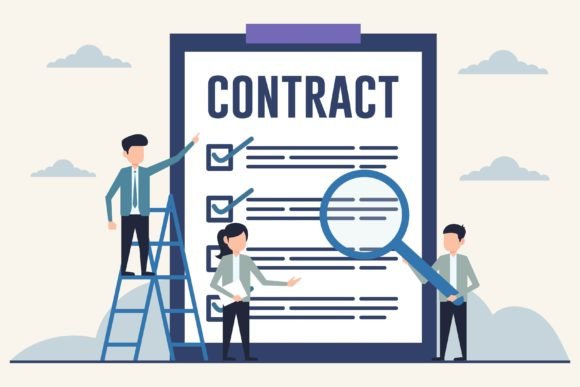
One of the hurdles in contract analysis is communicating complex findings to non-legal stakeholders. Visual aids can play a pivotal role here. Just as a well-designed vector graphic allows for infinite scaling and adaptation without losing quality, visual representations of contract data can be transformed to suit different audiences—from detailed infographics for legal teams to simplified dashboards for executives.
Imagine a scenario where a complex supply chain agreement is broken down into a visual flowchart. This allows stakeholders to instantly see the critical path, identify bottlenecks, and understand the interplay between different clauses. Using scalable, high-resolution visuals ensures that these insights remain clear whether presented on a mobile device, a large conference screen, or in a printed report. The ability to recolor, scale, and modify these elements ensures that the message remains consistent across various platforms, reinforcing the importance of clarity in business communication.
Conclusion: Turning Documents into Opportunities
Contract Review and Analysis in Business is far more than a defensive measure; it is a proactive strategy for growth. By identifying risks, streamlining processes, and ensuring alignment with business goals, organizations can turn their contractual obligations into competitive advantages. Whether you are refining your internal workflows or adopting new technologies, the ultimate goal is to create a culture where every agreement serves the company's vision.
As the business landscape continues to evolve, the ability to analyze and manage contracts effectively will remain a cornerstone of success. By embracing a comprehensive approach that values both precision and practicality, businesses can secure their future and thrive in an increasingly complex marketplace. Remember, the strength of your business relationships is often defined by the clarity of your agreements. Invest in the review process, and you invest in the longevity and stability of your enterprise.