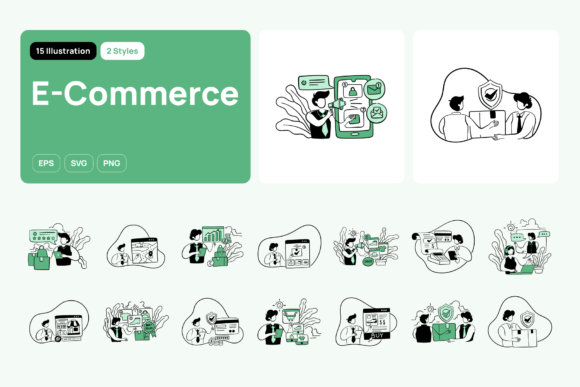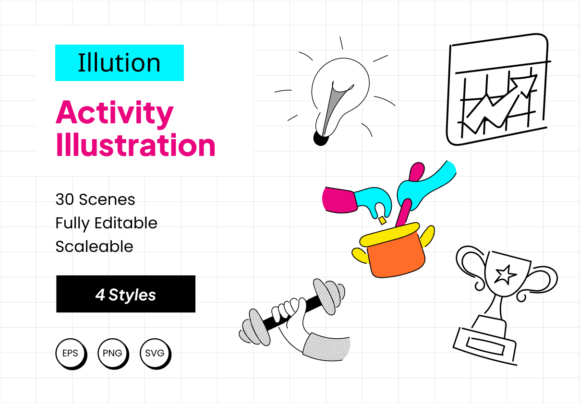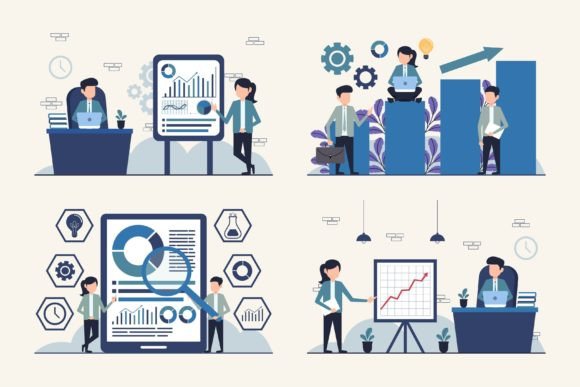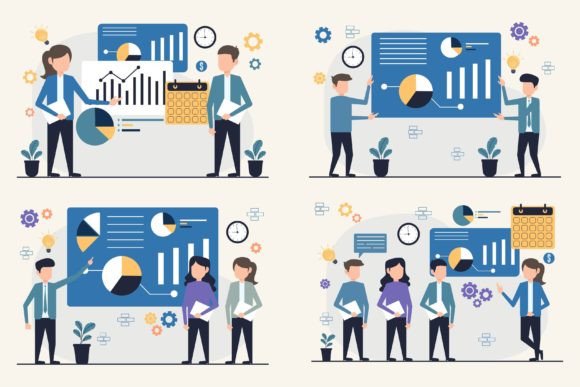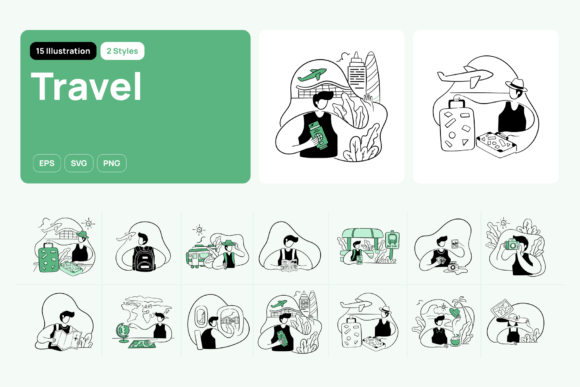
Elevating Digital Narratives with Greeny Travel Illustration and Dynamic Travel Elements
In the rapidly evolving landscape of digital design, the demand for visual storytelling that resonates on an emotional level has never been higher. As professionals, creators, and entrepreneurs strive to differentiate their brands in a saturated market, the choice of imagery becomes a critical strategic decision. Enter Greeny Travel Illustration, a versatile collection of hand-crafted visuals paired with A pack Travel elements illustrations. This unique combination is not merely a set of graphics; it represents a shift towards organic, nature-inspired aesthetics that align perfectly with contemporary consumer values and modern workflow requirements.
Whether you are developing a mobile application for eco-tourism, designing marketing materials for a sustainable lifestyle brand, or creating engaging social media posts for a travel agency, the integration of these specific illustration styles offers a distinct competitive edge. This article explores the significance of this visual trend, its alignment with broader industry shifts, and how it serves as a practical solution for diverse creative needs.
Defining the Aesthetic: What is Greeny Travel Illustration?
Greeny Travel Illustration refers to a curated style of digital artwork characterized by vibrant green palettes, organic shapes, and a focus on natural environments. Unlike traditional stock photography, which can often feel static or overused, this illustrative approach captures the essence of exploration through a lens of freshness and vitality. The "Greeny" aspect specifically taps into the psychological association of green with growth, harmony, and sustainability—key themes in today's travel discourse.
When combined with A pack Travel elements illustrations, the scope expands significantly. These packs typically include modular components such as luggage, maps, compasses, airplanes, backpacks, and landmarks, all rendered in a cohesive style that complements the primary Greeny theme. This modularity allows designers to construct complex scenes without the need for custom drawing from scratch, streamlining the production process while maintaining a high degree of artistic integrity.
The result is a visual language that feels both personal and professional. It avoids the sterile look of vector clip art while offering more flexibility than rigid photography. For businesses aiming to project an image of adventure grounded in environmental consciousness, this aesthetic provides the perfect visual vocabulary.
Aligning with Broader Industry and Consumer Trends
The surge in popularity for illustrations like Greeny Travel Illustration is not accidental; it mirrors significant shifts in the travel, technology, and lifestyle sectors. We are currently witnessing a global pivot towards "slow travel" and sustainable tourism. Consumers are increasingly conscious of their carbon footprint and are seeking experiences that connect them with nature rather than just ticking off tourist spots.
This cultural shift necessitates a change in marketing materials. Brands that rely solely on glossy photos of crowded resorts may find themselves out of step with the modern traveler. In contrast, illustrations that emphasize lush landscapes, open skies, and the joy of the journey resonate deeply with this demographic. The use of green tones and natural motifs signals to the audience that a brand understands and supports these values.
- Sustainability in Design: Digital-first assets reduce the need for physical print runs during the prototyping phase, and the thematic focus encourages messaging around eco-friendly practices.
- Emotional Connection: Illustrations often evoke nostalgia and imagination more effectively than hyper-realistic photos, allowing users to project their own dreams onto the visual narrative.
- Visual Consistency: In an era where brands must maintain a unified voice across multiple platforms, having a dedicated pack of elements ensures that every touchpoint, from a website header to a presentation slide, looks cohesive.
The Role of Technology and Workflow Efficiency
Beyond the aesthetic appeal, the adoption of Greeny Travel Illustration and associated element packs addresses the changing needs of modern workflows. Freelancers, agencies, and in-house design teams are under constant pressure to deliver high-quality assets quickly. Custom illustration, while beautiful, is time-consuming and expensive. Pre-designed packs offer a middle ground that balances speed with uniqueness.
These assets are optimized for various digital environments. They are lightweight enough for fast-loading web applications yet detailed enough for high-resolution printouts. The scalability of vector-based travel elements means they can be resized for a tiny mobile app icon or a massive billboard without losing clarity. This adaptability is crucial for responsive design strategies where content must fluidly adjust to different screen sizes and orientations.
Furthermore, the integration of these illustrations into user interfaces (UI) enhances usability. For instance, in a travel booking application, using friendly, illustrated icons for navigation can reduce cognitive load compared to abstract symbols. Users intuitively understand the function of a "backpack" icon representing packing tips or a "plane" icon for flight status, making the interface more accessible and enjoyable.
Practical Applications Across Diverse Platforms
The versatility of Greeny Travel Illustration makes it suitable for a wide array of projects, catering to both personal and commercial endeavors. Let us explore how these assets can be practically applied to solve real-world design challenges.
Websites and Web Applications
For travel startups and established agencies alike, the homepage is the first point of contact. Utilizing A pack Travel elements illustrations allows for dynamic hero sections that tell a story immediately. Instead of a generic slider, a designer might create a scrolling narrative where a character navigates through different biomes, represented by the Greeny palette. This interactive storytelling keeps users engaged longer, reducing bounce rates and increasing conversion potential.
In web applications, these elements serve as effective placeholders, loading states, and empty states. An empty search result page featuring a friendly, illustrated explorer looking at a map is far more encouraging than a stark "No results found" text. It maintains the brand's tone even when functionality hits a dead end.
Mobile Applications and User Experience
Mobile screens offer limited real estate, making concise visual communication vital. Icons and micro-illustrations derived from the Greeny pack can define the entire look and feel of a mobile app. Whether it is a fitness tracking app for hikers or a budget planner for backpackers, consistent use of these travel elements creates a seamless user experience (UX). The soft, rounded edges typical of this style also contribute to a sense of approachability and ease of use.
Marketing Materials and Social Media
In the realm of social media, standing out in a feed dominated by photography is challenging. Illustrated content often stops the scroll because it breaks the pattern. Posts utilizing Greeny Travel Illustration can convey complex ideas simply, such as infographics about sustainable packing or step-by-step guides for planning a trip. These visuals are highly shareable, extending the reach of marketing campaigns organically.
For email marketing, these illustrations add a layer of personality that plain text cannot achieve. A newsletter announcing a new eco-friendly tour package, adorned with lush green foliage and travel gear illustrations, feels more inviting and trustworthy.
Presentations and Templates
Entrepreneurs and marketers frequently rely on work presentations to pitch ideas or report progress. Standard templates often lack flair, but integrating custom travel elements can transform a dry data deck into a compelling narrative. Imagine a pitch deck for a new travel tech product where the background features subtle Greeny textures and key points are highlighted with relevant icons. This attention to detail demonstrates professionalism and creativity, leaving a lasting impression on stakeholders.
Why Attention is Shifting to Illustrated Content
The growing attention toward Greeny Travel Illustration reflects a deeper desire for authenticity and connection. In a world flooded with AI-generated images and heavily retouched photographs, hand-crafted illustrations offer a human touch that audiences crave. They suggest that there is a person behind the brand, someone who cares about the details and the story being told.
Moreover, the "Greeny" aesthetic specifically caters to the rising generation of travelers who prioritize well-being and environmental stewardship. By adopting this visual style, businesses signal their alignment with these values without needing to write a manifesto. The visuals do the talking, fostering trust and loyalty among consumers who are increasingly voting with their wallets for brands that reflect their ethics.
As we look forward, the integration of such specialized illustration packs will likely become standard practice rather than a niche choice. The ability to rapidly deploy high-quality, contextually relevant visuals across websites, apps, and marketing channels is a fundamental requirement for success in the digital economy. Greeny Travel Illustration and A pack Travel elements illustrations provide the toolkit necessary to meet these demands, empowering creators to build experiences that are not only visually stunning but also deeply meaningful.
For professionals ready to elevate their design game, embracing these resources is a strategic move. It bridges the gap between functional design and emotional storytelling, ensuring that your products and services stand out in a crowded marketplace. Whether you are launching a startup or refreshing an existing brand identity, the power of thoughtful illustration cannot be overstated.