Elevating Visuals with High-Quality Vector 3D Fruit Illustrations
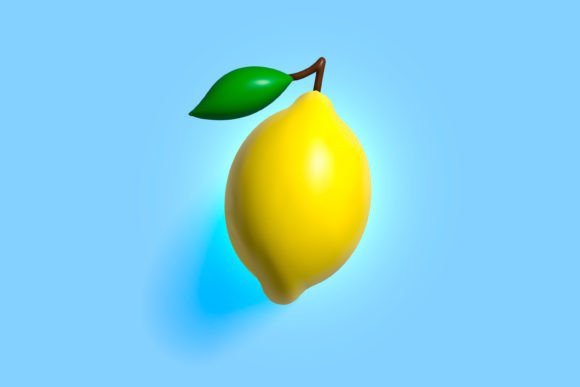
In the fast-paced world of digital and print design, the quality of visual assets often determines the success of a campaign. Whether you are crafting a headline for social media or designing a high-end magazine cover, the imagery you choose speaks volumes before a single word is read. Among the most versatile and engaging assets available today are Vector 3D Fruit Illustrations. These graphics bridge the gap between realistic photography and stylized art, offering a fresh, vibrant aesthetic that captures attention instantly.
This article explores the power of these specific illustrations, focusing on a premium collection featuring five essential fruits: lemon, lime, orange, mango, and avocado. We will discuss how these assets function within modern design workflows, why vector technology is superior for scalability, and how you can leverage them across various platforms to enhance your brand identity.
The Rise of 3D Vector Art in Modern Design
For years, designers were often forced to choose between using stock photography or flat, two-dimensional icons. Stock photos can sometimes feel generic or require extensive editing to match a brand's color palette. Flat icons, while clean, often lack the depth and texture needed to make a product look appetizing or tangible. Enter 3D vector illustration.
This style utilizes advanced shading, lighting effects, and gradients to create the illusion of three-dimensionality while maintaining the mathematical precision of vector graphics. The result is an image that looks rich and textured—perfect for food, beverages, and lifestyle brands—yet remains crisp at any size. This hybrid approach has become a staple in modern web design, allowing creators to build immersive experiences without the heavy file sizes associated with raster images like JPEGs or PNGs.
Why Focus on Citrus and Tropical Fruits?
The specific selection of lemon, lime, orange, mango, and avocado in this collection is not arbitrary. These fruits represent some of the most popular ingredients in global cuisine, wellness trends, and beverage marketing. They evoke feelings of freshness, health, summer, and energy.
- Lemon & Lime: Universally recognized symbols of zest, acidity, and refreshment, ideal for drink menus, cleaning products, and spa branding.
- Orange: Represents vitality, warmth, and sweetness, frequently used in juice packaging and breakfast promotions.
- Mango: A tropical icon associated with exotic flavors, vacation vibes, and smoothie culture.
- Avocado: Perhaps the most iconic fruit of the modern era, symbolizing health consciousness, veganism, and gourmet dining.
By mastering the use of these specific illustrations, designers can tap into powerful psychological triggers that resonate with audiences looking for healthy, natural, and vibrant lifestyles.
Technical Advantages: Why Vector Matters
Understanding the technical foundation of these assets is crucial for professional application. Unlike raster images (such as JPEGs), which are made of pixels and lose quality when enlarged, vector files are created using mathematical equations to define lines, curves, and shapes. This distinction offers several critical benefits for design projects.
Unlimited Scalability
One of the primary reasons professionals prefer vector formats is their infinite scalability. You can shrink a vector illustration down to the size of a favicon for a website header or blow it up to the size of a billboard, and the edges will remain perfectly sharp. There is no pixelation or blurriness. This flexibility ensures that your Vector 3D Fruits Illustrations look pristine whether they appear on a mobile screen or a large-format event poster.
Full Editability and Customization
Another significant advantage is the ability to edit every element. In this specific collection, all components are 100% vector-based. This means you are not stuck with a static image. If your brand guidelines require a specific shade of green for the avocado or a brighter yellow for the lemon, you can easily adjust the colors directly within the file. You can also separate elements, change the background, or rearrange the composition to fit unique layout requirements. This level of control saves hours of time that would otherwise be spent creating custom graphics from scratch.
Practical Applications Across Media Channels
The versatility of these illustrations makes them suitable for a wide array of applications. From digital screens to physical print materials, the RGB color mode ensures they perform optimally where it matters most.
Digital and Social Media Promotion
In the realm of social media, grabbing attention within seconds is vital. Platforms like Instagram, Twitter (X), and Facebook are visually driven. Using high-quality 3D fruit illustrations can significantly boost engagement rates.
- Instagram Stories and Posts: Create eye-catching headers for recipe posts, smoothie challenges, or summer sale announcements. The 3D effect adds a "pop" that stands out in a crowded feed.
- Web Design: Use these assets as hero images for landing pages, icons for navigation menus, or decorative elements for e-commerce product pages selling organic foods.
- Email Marketing: Incorporate these lightweight yet beautiful graphics into newsletters to announce new menu items or seasonal promotions without slowing down load times.
Print and Publication Promotion
While the primary color mode is RGB (Red, Green, Blue) for digital screens, the vector nature of the files allows for easy conversion to CMYK for print if necessary. However, even in RGB, these designs translate beautifully to digital-first publications and high-resolution prints.
- Flyers and Posters: Perfect for local cafes, farmers' markets, or wellness events. The vibrant colors of the orange and mango draw the eye immediately.
- Magazines and Event Papers: Editorial layouts benefit from the clean lines and modern aesthetic of 3D vectors, providing a contemporary look that distinguishes the publication from competitors using standard stock photos.
- Packaging Concepts: While final production may require specific adjustments, these files serve as excellent mockups for conceptualizing fruit juice boxes, snack wrappers, or cosmetic labels.
File Formats and Workflow Integration
A common misunderstanding among beginners is assuming that buying a graphic limits them to one format. This collection is designed with workflow efficiency in mind. The main folder includes a comprehensive suite of files to cater to different needs:
AI Files (Adobe Illustrator): These are the native editable source files. If you use Adobe Creative Cloud, this is where you will do your heavy lifting—changing colors, separating layers, and modifying shapes.
EPS Files (Encapsulated PostScript): A universal vector format compatible with almost all design software, including CorelDRAW and Affinity Designer. This ensures compatibility even if you don't use Adobe products.
JPEG Files: For quick previews or immediate use in presentations where editing isn't required, high-resolution JPEGs are included. Note that while these are ready to use, they do not offer the same scalability or editability as the vector versions.
Help File: To ensure you get the most out of the package, a help guide is included. This resource walks you through opening the files, understanding the layer structure, and tips for color adjustment.
Common Misconceptions About 3D Vectors
It is important to clarify a few assumptions regarding this type of asset. First, many users believe that "3D" implies a massive file size that slows down websites. Because these are vectors, the file size remains relatively small compared to a 3D rendered photograph, making them highly optimized for web performance.
Second, there is a belief that these illustrations look "cartoonish." On the contrary, modern 3D vector techniques utilize sophisticated lighting and shadowing to achieve a semi-realistic, "isometric," or "claymorphism" look that feels tactile and premium, rather than childish. This makes them appropriate for both playful children's content and sophisticated corporate branding.
Conclusion: Empowering Your Creative Projects
The integration of Vector 3D Fruits Illustrations into your design toolkit is more than just a stylistic choice; it is a strategic move toward efficiency and visual excellence. By utilizing a collection that features the lemon, lime, orange, mango, and avocado, you gain access to universally appealing imagery that conveys freshness and quality.
Whether you are a freelancer building a portfolio, a marketer launching a social media campaign, or a designer working on a magazine spread, the ability to edit, scale, and adapt these assets gives you a competitive edge. With the included AI, EPS, and JPEG files, you have everything you need to bring your vision to life across any medium. Embrace the flexibility of vector technology and let these vibrant, high-quality illustrations elevate your next project to new heights.